
Zero-trust by default. Enterprise-grade governance.
Comparatio runs inside your network, writes to your ERP only the documents you switch on, and locks every protocol down by default — with Constellation Software governance behind the whole platform.
- In-network deployment
- Scoped ERP access
- Every query logged
- Zero-trust
- default posture — every protocol locked down
- TLS 1.3
- with modern ciphers, proven on Oracle Business Network
- 30 days
- advance warning on certificate expiry
- Scoped
- ERP access: you choose which documents post
The architecture
Security that’s structural, not bolted on
These aren’t policy documents — they’re how the platform is built and deployed, for every customer.
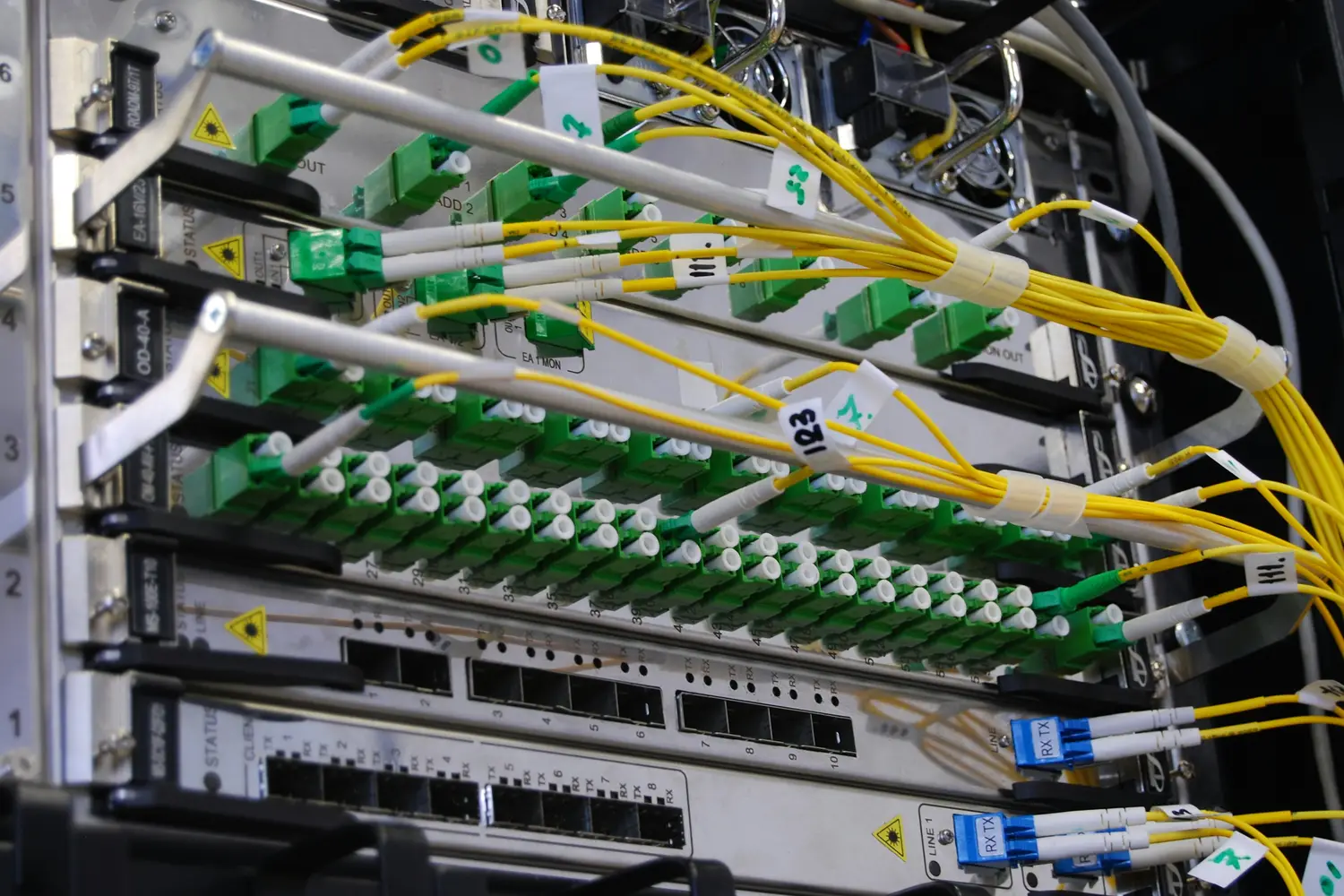
Zero-trust architecture
All protocols locked down by default. Access is granted deliberately, per connection — never open-then-filtered.
In-network deployment
The platform runs inside your network with no external exposure — your EDI never routes through someone else’s cloud.
Scoped ERP access
Comparatio reads your ERP to build outbound documents. Inbound documents (orders, supplier invoices, receipts, acknowledgments) post through the ERP’s own import or API (on Prophet 21, also its import staging and user-defined fields), and only for the document types you switch on.
Per-partner IP whitelisting
Each trading partner’s connection is whitelisted individually — one partner’s network is never another’s door.
Managed AS2 certificates
Automated renewal with 30 day advance expiry alerts — certificate lapses stop being an outage category.
TLS 1.3 + modern ciphers
Current transport security, proven in production on Oracle Business Network — not legacy protocol support.
OAuth 2.0 email pickup
Office 365 email pickup authenticates via OAuth 2.0 — no stored passwords anywhere in the flow.
Logged queries, and a real audit trail where it counts
Every transaction and every AI/MCP query is logged at the application level — who asked, what moved, and when. Where an approval actually has to be provable, the A/R Recurring Billing Portal carries a structured, queryable audit trail of who approved what and when.
Automated backups
Configuration and data are backed up automatically and stored compressed — recovery is a restore, not a rebuild.
Governance
Constellation Software behind the platform
Comparatio has been a wholly-owned subsidiary of Constellation Software since December 2023 — which means enterprise-grade security governance, stability, and accountability stand behind a platform your supply chain depends on. A PCI DSS scope statement is available on request for your compliance review.
FAQ
Security, in practice
Is our data exposed outside our network?
No. Comparatio deploys in-network with no external exposure, and it reads your ERP only to build outbound documents. Inbound documents go in through the ERP’s own import or API and, on Prophet 21, its import staging and user-defined fields. Every protocol is locked down by default — connections are opened deliberately, per trading partner, not left open and filtered later.
How are AS2 certificates handled?
Certificates are managed for you: monitored continuously, alerted 30 days before expiry, and renewed as part of the service — so a certificate that lapses over a weekend stops being a way your EDI goes down.
The AI features query our data. How is that secured?
The MCP server is read-only and zero-trust, runs inside your network, and every transaction and AI/MCP query is logged. Nothing can be modified through it, and nothing leaves your environment. For approval workflows that need a provable record, the A/R Recurring Billing Portal keeps a structured, queryable audit trail.
Can you support our PCI or vendor-security review?
Yes — a PCI DSS scope statement is available on request, and as a wholly-owned Constellation Software subsidiary Comparatio operates under enterprise security governance. Send the questionnaire; engineers who know the architecture answer it.
Security review coming? Send it our way.
Vendor questionnaires, architecture reviews, PCI scope — answered by the engineers who built the platform, not a compliance inbox.