


Managing a modern supply chain involves coordinating dozens of moving parts-purchase orders, invoices, shipping notices, inventory updates, and countless other documents flowing between manufacturers, distributors, retailers, and logistics providers. When this information moves manually through emails, faxes, or phone calls, delays and errors become inevitable. Electronic Data Interchange, commonly known as EDI, transforms this chaotic exchange into an automated, standardized process that keeps goods moving and business partners aligned.
At its core, EDI is a structured method for exchanging business documents electronically between organizations using standardized formats. Rather than sending a PDF invoice that someone must manually enter into their system, EDI transmits the same information in a format that the receiving system can immediately process. This fundamental shift from human-readable documents to computer-readable data has profound implications for how trading partners conduct business together.
For companies operating complex distribution networks, automated data exchange isn’t just a nice-to-have technology-it’s become essential infrastructure. Let’s explore how electronic document interchange shapes modern logistics operations and what organizations need to consider when implementing these systems.
How EDI Transforms Daily Logistics Operations

The practical impact of EDI becomes clear when you follow a typical order through the fulfillment process. A retailer’s purchasing system generates a purchase order (known as an 850 document in ANSI X12 standards) and transmits it directly to a supplier’s order management system. Within seconds, the supplier’s system acknowledges receipt, checks inventory availability, and begins processing-all without human intervention.
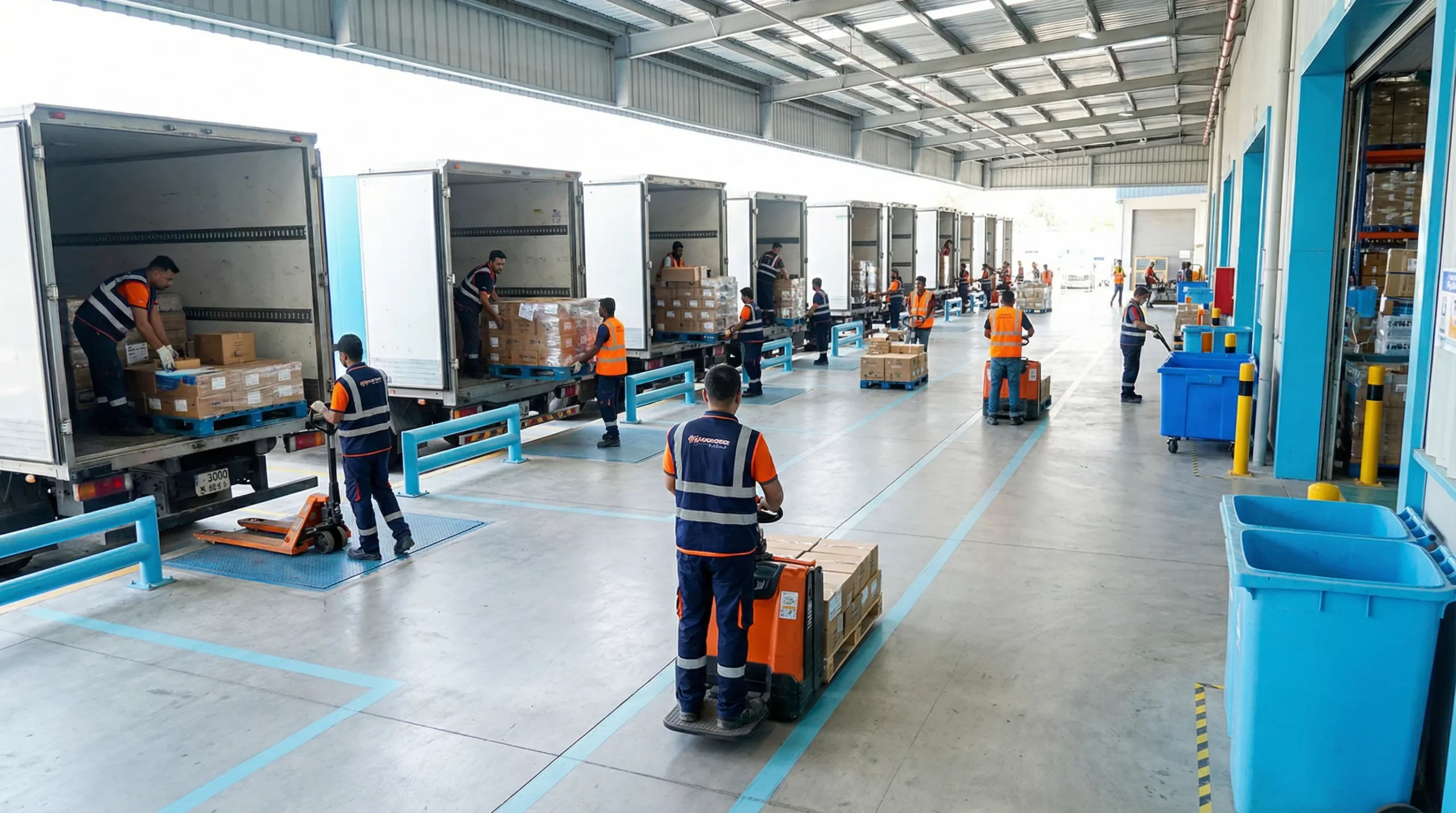
As the order ships, the supplier sends an Advance Ship Notice (856 document) containing detailed information about what’s in each carton, how items are packed, and when delivery is expected. The retailer’s warehouse management system uses this data to plan receiving operations, allocate storage space, and update inventory projections before the truck even arrives.
This automated communication extends throughout the entire order-to-cash cycle:
- Inventory inquiries allow retailers to check supplier stock levels in real-time before placing orders
- Purchase order acknowledgments confirm pricing, quantities, and expected ship dates
- Invoices trigger automated payment processes when matched against receipts
- Remittance advice documents close the loop by confirming payment details
Each transaction that once required phone calls, email chains, and manual data entry now flows automatically between systems. The cumulative effect across thousands of daily transactions fundamentally changes how quickly and accurately organizations can operate their fulfillment processes.
Key Benefits of Automated B2B Communication
Organizations that implement electronic document interchange consistently report several categories of improvement in their trading partner relationships and internal operations. Understanding these benefits helps companies build a realistic business case for EDI adoption.
Faster Order Processing and Fulfillment
When orders arrive in a format that systems can immediately process, the time from order receipt to shipment compresses dramatically. Manual order entry that might take hours or days happens in seconds. This speed advantage compounds when you consider that faster order processing means shorter lead times, which enables lower safety stock levels and more responsive customer service.
Reduced Errors and Disputes
Manual data entry introduces errors at every touchpoint. An order entry clerk might transpose digits in a product code, misread a quantity, or select the wrong shipping address. These mistakes create returns, credits, chargebacks, and strained business relationships. Automated data exchange eliminates most keystroke errors by moving information directly between systems without human re-entry.
Lower Transaction Costs
Paper-based transactions carry obvious costs-printing, postage, storage-but the hidden costs of manual processing often dwarf these direct expenses. Staff time spent entering data, researching discrepancies, and managing document workflows represents significant overhead. Companies often report that automating routine document exchange frees their teams to focus on exception handling and relationship management rather than data entry.
Improved Visibility and Planning
When transaction data flows electronically in near real-time, organizations gain visibility into their distribution networks that manual processes simply cannot provide. Accurate, timely information about orders, shipments, and inventory enables better demand planning, more efficient transportation scheduling, and faster response to supply disruptions.

Common Challenges When Implementing EDI Systems
Despite its clear advantages, implementing electronic data interchange presents real challenges that organizations must address thoughtfully. Acknowledging these obstacles upfront leads to more successful implementations.
Trading Partner Complexity
Every trading partner has different requirements. Major retailers often mandate specific EDI versions, communication protocols, and testing procedures. A supplier working with multiple retailers may need to support several variations of the same document type, each with different required fields and validation rules. Managing this complexity requires careful mapping and ongoing maintenance as partners update their specifications.
Integration with Internal Systems
EDI doesn’t exist in isolation-it must connect with enterprise resource planning (ERP) systems, warehouse management systems, transportation management systems, and other operational software. These integrations can be straightforward when systems have pre-built connectors, but they often require custom development to handle unique business logic and data transformations.
Compliance and Testing Requirements
Large retailers and manufacturers typically require trading partners to complete rigorous certification testing before exchanging production documents. This testing validates that documents are formatted correctly and that business processes work as expected. Companies new to B2B communication standards often underestimate the time and effort required to achieve compliance with demanding partners.
Ongoing Monitoring and Support
Electronic document exchange is not a set-it-and-forget-it technology. Transactions can fail due to communication errors, data validation issues, or system problems at either end. Organizations need monitoring systems that detect failures quickly and alert staff before delayed documents impact operations. Many companies underestimate the ongoing operational support required to maintain reliable automated trading.
Best Practices for Successful EDI Implementation
Organizations that achieve the greatest value from automated B2B communication typically follow several proven practices throughout their implementation journey.
Start with High-Volume, High-Value Transactions
Rather than attempting to automate every document type immediately, successful implementations often focus first on transactions that offer the greatest return. Purchase orders, invoices, and advance ship notices typically represent the highest-volume exchanges and provide the most immediate benefits from automation.
Choose the Right Technical Approach
Companies have several options for implementing EDI technology:
- Direct connections between trading partners using protocols like AS2 or SFTP
- Value-added networks (VANs) that provide managed mailbox services and translation
- Web-based portals that allow smaller partners to participate without full EDI systems
- Managed services where providers like Comparatio handle the technical complexity while organizations focus on their core business
The right choice depends on transaction volumes, technical capabilities, trading partner requirements, and budget considerations. Many organizations use a combination of approaches for different partner tiers.
Invest in Proper Mapping and Testing
Document mapping-defining how data elements in your internal systems correspond to fields in EDI documents-requires careful attention. Rushed or incomplete mapping leads to production failures and compliance problems. Thorough testing with each trading partner before going live prevents costly disruptions.
Build Internal Expertise or Partner Wisely
EDI requires specialized knowledge of document standards, communication protocols, and integration techniques. Organizations must decide whether to develop this expertise internally or partner with specialists who can provide implementation support and ongoing management. For many mid-sized companies, working with an experienced EDI solutions provider offers a faster path to value while avoiding the overhead of building an in-house team.
The Future of Electronic Data Exchange in Logistics
While traditional EDI standards continue to form the backbone of B2B commerce, the technology landscape continues evolving. API-based integrations offer more flexible, real-time data exchange for certain use cases. Cloud-based platforms reduce the infrastructure burden of maintaining EDI systems. Machine learning helps identify and resolve transaction exceptions automatically.
Yet the fundamental value proposition remains constant: replacing manual, error-prone document exchange with automated, standardized communication between trading partners. Whether using traditional X12 documents, EDIFACT standards, or modern APIs, the goal is the same-moving accurate information quickly between organizations to keep goods flowing through distribution networks.
Organizations that haven’t yet embraced automated B2B communication face increasing pressure from trading partners who expect electronic transactions. Those already using EDI technology continue finding new opportunities to extend automation deeper into their operations and across additional partner relationships.
Moving Forward with EDI
Electronic Data Interchange has evolved from a competitive advantage to a fundamental requirement for participating in modern trading partner relationships. The technology provides measurable benefits in speed, accuracy, cost, and visibility-benefits that compound as organizations extend automation across more transactions and partners.
Success requires more than just implementing technology. It demands understanding partner requirements, integrating with operational systems, establishing monitoring processes, and committing to ongoing maintenance and improvement. Organizations that approach EDI strategically, with realistic expectations and proper support, consistently achieve significant returns on their investment.
Whether you’re implementing EDI for the first time or looking to expand your current capabilities, working with experienced partners can accelerate your progress and help you avoid common pitfalls. The complexity of managing multiple trading partner requirements, document standards, and integration challenges makes expert guidance particularly valuable.
Ready to explore how electronic data interchange can improve your logistics operations? Contact Comparatio to discuss your specific requirements and learn how their EDI solutions can support your trading partner relationships.
Frequently Asked Questions
How does EDI improve supply chain efficiency?
EDI improves supply chain efficiency by automating the exchange of business documents. This reduces errors and speeds up processes, as documents are transmitted in a standardized electronic format. By eliminating manual data entry, EDI ensures that information is quickly and accurately shared between partners. For example, purchase orders and shipping notices are processed seamlessly, enhancing coordination and reducing delays.
What role does EDI play in supply chain management?
EDI plays a crucial role in supply chain management by streamlining document exchange. It automates communication between manufacturers, distributors, and retailers, ensuring timely and accurate data flow. EDI reduces the need for manual intervention, minimizing errors and speeding up transactions. This technology transforms complex logistics into efficient operations, allowing businesses to focus on strategic tasks rather than administrative ones.
Why is EDI essential for modern logistics operations?
EDI is essential for modern logistics operations because it automates data exchange, enhancing speed and accuracy. By using standardized formats, EDI eliminates manual errors and ensures real-time information flow. This leads to better inventory management, faster order processing, and improved supplier coordination. For example, an Advance Ship Notice allows retailers to prepare for incoming shipments efficiently, optimizing their warehouse operations.
How does EDI reduce errors in supply chain management?
EDI reduces errors in supply chain management by automating document exchanges between systems. This removes the need for manual data entry, which is prone to mistakes, ensuring accuracy in transactions. EDI uses standardized formats that systems can directly process, leading to fewer discrepancies. For instance, automated purchase orders and invoices reduce mismatches and streamline payment processes, enhancing overall reliability.
Can EDI help with real-time inventory management?
Yes, EDI can significantly help with real-time inventory management by providing instant data exchange. It allows retailers to access up-to-date supplier stock levels before placing orders. This capability ensures that inventory decisions are based on the most current information, reducing overstock or stockouts. For example, immediate inventory inquiries via EDI help businesses maintain optimal stock levels, aligning supply with demand efficiently.